
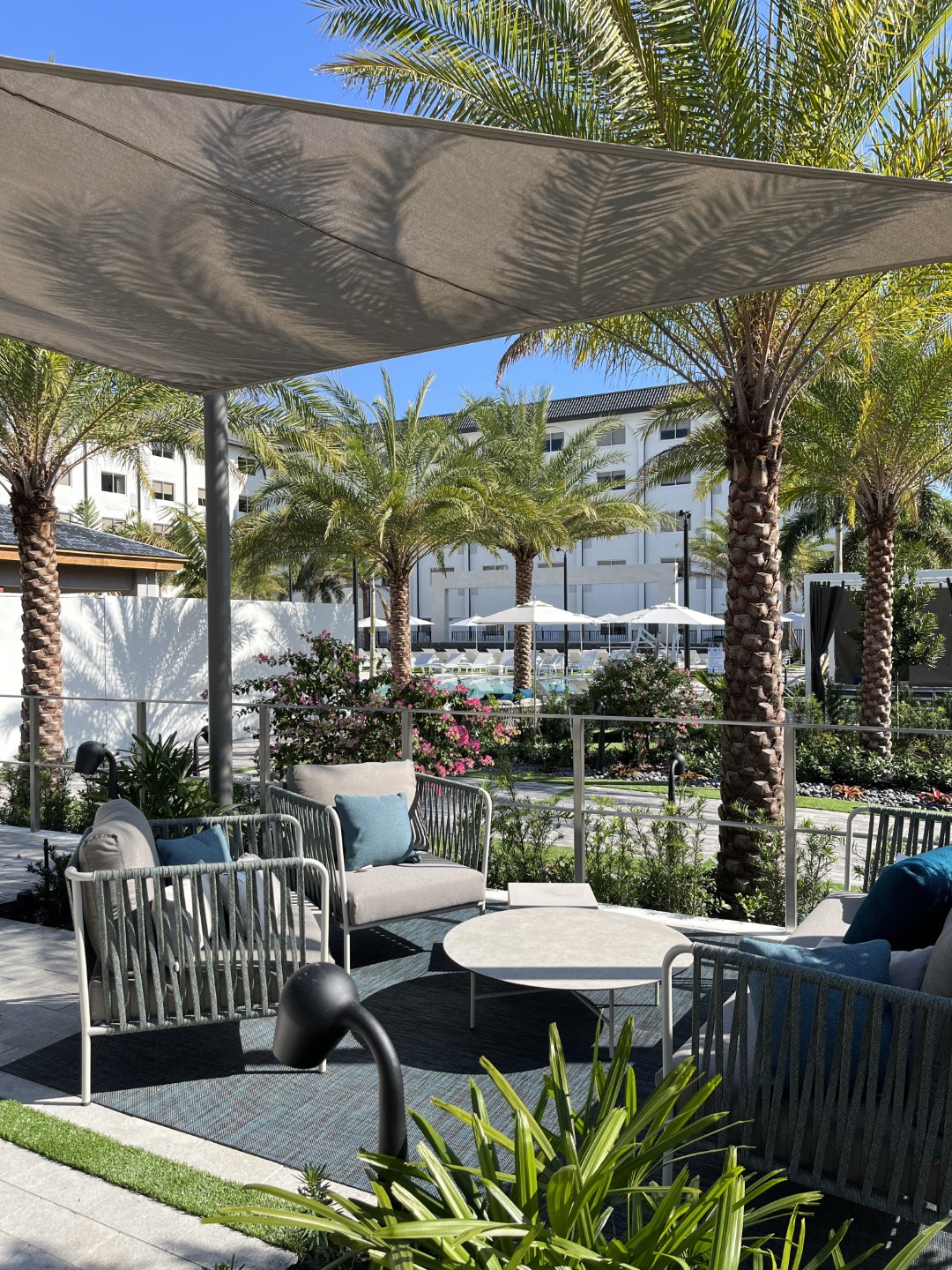
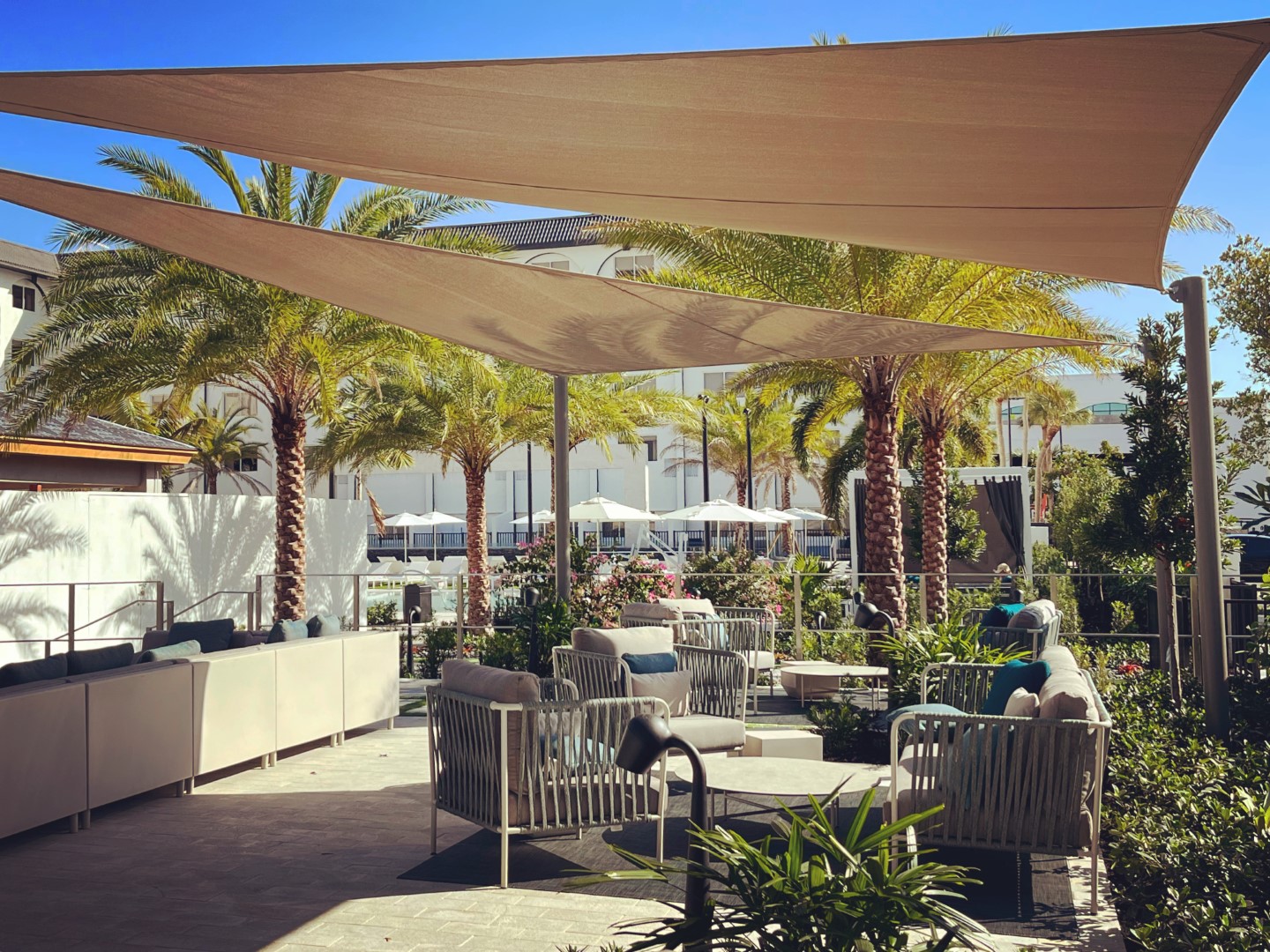
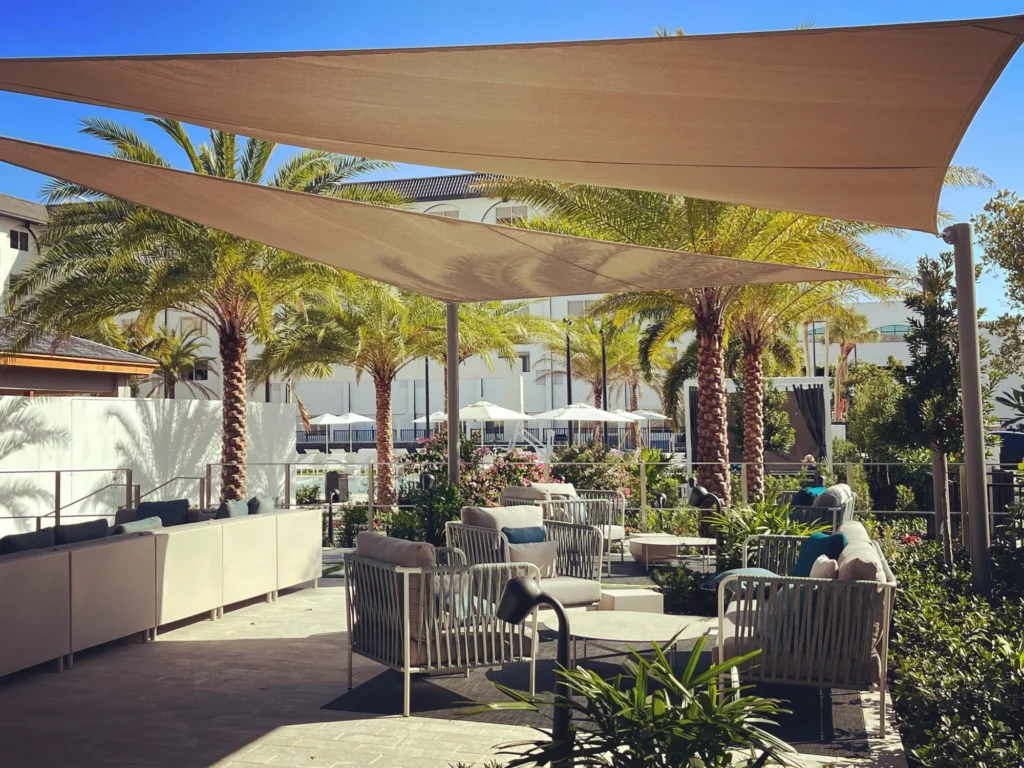
Shade sails are a decorative way to provide shade to an area that does not need rain protection. Shade sails have become very popular over the last twenty years as they provide a soft and airy openness while offering some much needed sun shade. However, due to our high winds, it’s not as simple as attaching a triangular piece of fabric at three points. A properly engineered shade sail system will have minimum deflection or sagging which requires specialized fasteners, cabling, and heavy duty framing. Let our team design a code compliant shade sail space for your project.
Shade Sails Portfolio
Our Process
Consultation
Consult with our Architect and Design Experts
approve quote
Receive & Approve Tailored Price Quote
final design
Final Design, Engineering, & Permit
Design Specifications
Fascia Details
Height: 6″ to 14″ (8″ to 10″ optimal)
Material: Minimum 1/8″ aluminum for mitered and welded corners
Note: Thinner aluminum requires visible screws and caulking in place of welds (common in industrial truck court applications)
Projection Options
Standard: 4′ to 6′ (optimal)
Aesthetic: Shorter eyebrows for design purposes
Extended: Longer projections possible with thicker material, enhanced framing, or additional columns
Cantilever: Systems without hanging arms require larger support struts, designed with deeper fascia
Span Capabilities
Walkways: 7′-6″ to 10′ typical spans
Luxury Pergolas: 15′-6″ by 22′ grids available
Column Sizes: 4″ for typical walkways, 6″ to 8″ for luxury/larger spans
Decking Systems
Standard: 6″ Pan decking for hanging canopies
Large Spans: Cap and Pan construction
Insulated: Aluminum panels for enhanced R-Value, cooler temperatures, noise reduction
Rain Water Management
Internal Gutters: Pitched toward or away from building
Options: Free outflow, downspout connection, or internal column routing