
Forecast — Fort Lauderdale, FL
full forecast ↗Loading forecast…
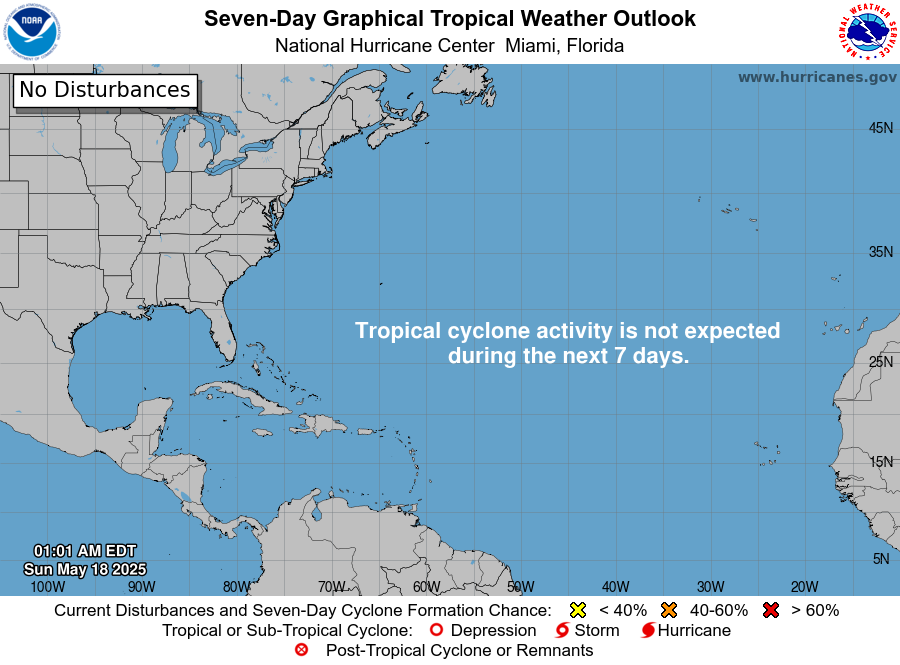
Walker Awning structures have stood through 46 years of Florida hurricanes - engineered for South Florida wind and proven by the storms themselves. Use this page to track the tropics and know exactly what to do (usually: less than you think).
Walker frames are engineered to meet or exceed Florida Building Code wind loads, and the track record backs it up – we’ve seen fully laced fabric awnings come through storms that damaged adjacent structures. How yours fares depends on its exposure and location. If you’re unsure about your cover, send us photos and we’ll give you an honest read.
No – this is the most common misconception we hear. Walker installations are tensioned and engineered for South Florida weather, hurricane season included. For a major hurricane bearing down on your location, the simple option is cutting the lace cord on one side – like reefing a sail – and folding the fabric back. We’ll relace it after the storm; no new cover needed.
If the frame is sound, recovering with new fabric typically costs a fraction of a full replacement because the engineering and structure are already in place. And often a recover isn’t needed at all – if you cut the lacing to bring fabric down before a storm, we simply come back and relace the same cover. We fabricate everything in-house in Fort Lauderdale, which keeps turnaround short.
We don’t run a formal inspection program, but call us or text photos of your awning any time – we’re happy to talk through what we’d do with your specific cover and exposure, no charge for the conversation.
Many policies cover attached structures, but documentation matters. Photograph your awnings each season and after any damage. We can provide repair assessments and estimates to support a claim – we are not insurance advisors, so confirm coverage with your carrier.